

A 101 IN HOW NOT TO DO PUBLIC RELATIONS.
Around the Ozarks, we know success comes from hard work, strong relationships, and treating people right. Whether it’s country music, small business, agriculture, or retail, communities grow when people open doors for one another—not when they create unnecessary roadblocks. That’s why the recent experience surrounding the MAGIC by Informa fashion event in Nashville leaves a sour note.
A trade show is supposed to be an opportunity maker. Designers spend real money to exhibit with hopes of meeting buyers, gaining media attention, building wholesale accounts, and taking their business to the next level. Events like this should help brands get discovered. But from a media perspective, MAGIC by Informa Nashville appeared to make that process far more difficult than it should have been.
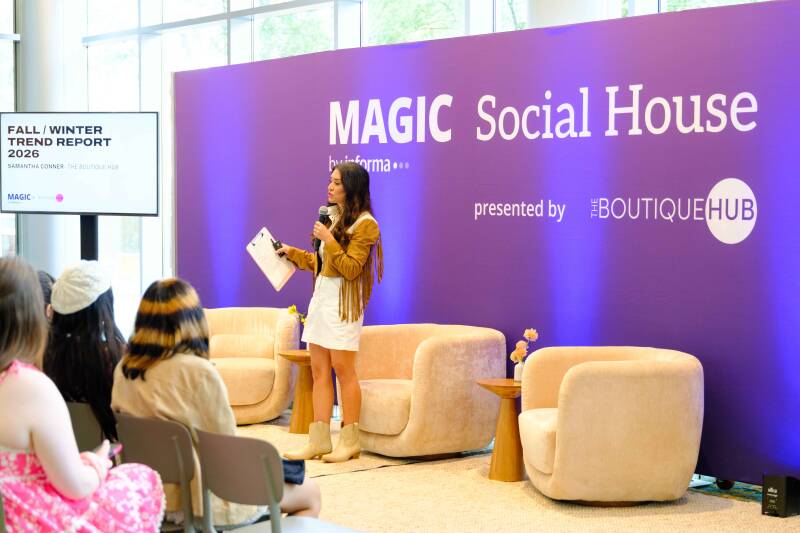
A photograph that was furnished to us by the press office of MAGIC by Informa: we have no idea when it was taken, what it portrays, or who to credit. This photograph supports this story: a classic example of how not to do public relations.
For publications interested in covering the event and spotlighting exhibitors, the basics reportedly weren’t readily available: no media whatsoever, limited information on brands, sparse photo assets (we received three, and they are published within this story—but we have no idea when they were taken, what they portray, or who to credit), pre-event materials supplied on the concluding day of the event, delayed post-event materials (we are still yet to receive any), and difficulty obtaining public-facing press contacts. Even post-event support appeared sluggish, adding to an already fragmented communications experience. Notably, correspondence received from MAGIC’s customer service and press office lacked basic professional identifiers, with emails consistently unsigned and without a named point of contact. In an industry built on relationships and accountability, the absence of clear attribution only deepened the sense of distance between organizers and the media professionals seeking to cover the event accurately and in real time. In today’s marketplace, where one article or social mention can introduce a brand to thousands of potential customers, those missed opportunities matter.
The so-called “MAGIC app,” positioned as the primary tool intended to connect buyers, media, and exhibitors, failed to deliver on its stated purpose. Despite being promoted as a central hub for engagement before, during, and after the event, it was reportedly non-functional throughout key stages of the experience. Similarly, access issues with the MAGIC website login further compounded frustration, limiting the ability of press and industry stakeholders to obtain essential exhibitor information or navigate event resources. The result was a breakdown in connectivity at precisely the moment when seamless access and communication should have been most critical. What did MAGIC by Informa’s press office have to say? Nothing. Silence where there should have been infrastructure, and friction where there should have been flow. When we requested a basic press office contact list for exhibitors—solely to do what the system itself is designed to facilitate: gather media kits, request press releases and collection information, and coordinate interviews directly with participating designers—the response from MAGIC’s press office was simply, “Can you clarify what you mean by a designer press contact list? Due to privacy, we do not share any contact information.” And just like that, with no further information provided, but our promise to cover the MAGIC by Informa event, this editorial feature was written.
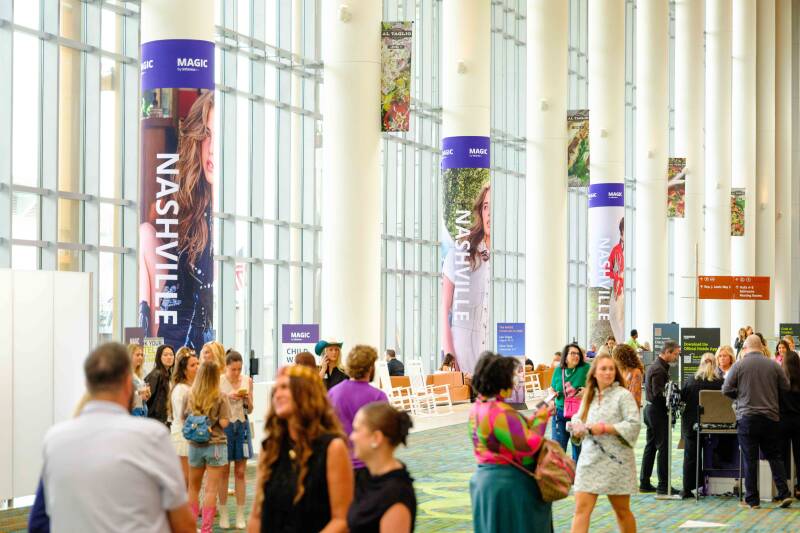
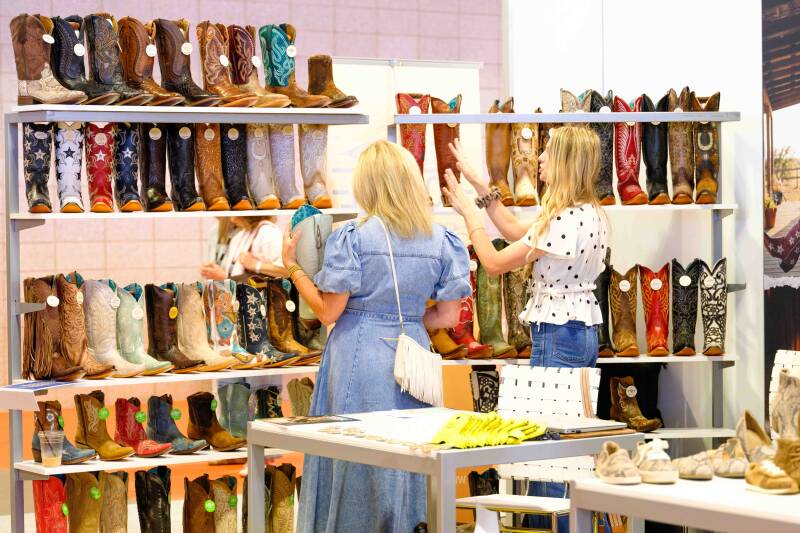
The additional two photographs that were furnished to us by the press office of MAGIC by Informa: we have no idea when it was taken, what it portrays, or who to credit. These photographs support this story: a classic example of how not to do public relations.
Here in the Ozarks, we understand something simple: if someone wants to promote your business, you help them do it. You provide the photos. You share the story. You make introductions. That’s how communities thrive, and that’s how brands grow, especially for earned media (and that is authentic media coverage, such as our own, who are not paid by third parties to write editorials). When event organizers fail to make those connections easy, it’s often smaller and emerging designers who lose out the most.
That’s what makes this especially frustrating. Nashville is a city built on creativity, entrepreneurship, and star power. Much like the communities served by Ozark Star newspapers and 99.5 The Star, it represents ambition, talent, and people chasing dreams. So event organizers should work to create a fashion market to reflect that city. It should feel welcoming, energetic, and supportive—not difficult to navigate.
Across the Ozarks—from Springfield to Branson to Fayetteville—people know the value of local promotion. Festivals, fairs, concerts, and markets succeed because they welcome media, celebrate participants, and understand the power of storytelling. Branson alone has a consistent tourism market of over 12 million annual vacationers and growing. The best events don’t hide opportunity—they create it.
Designers showing at events like MAGIC by Informa deserve more than booth space and foot traffic. They deserve visibility, support, and organizers who recognize that press coverage is one of the most valuable benefits an event can offer. That is the sole purpose of MAGIC by Informa's PRESS OFFICE.
If MAGIC by Informa wants to keep growing as a fashion event in Nashville, Las Vegas, and New York, then they need to remember the values that heartland America already knows: be helpful, be professional, and when someone wants to shine a light on your people, don’t stand in the way. Don’t send media tickets the day before. Dedicate someone in the press office to answer the telephone when it rings, respond to e-mails promptly. PROMOTE YOUR EXHIBITORS. THAT IS YOUR JOB.
A note from the Editor:
“Our internal policy has always been to focus on supportive, positive storytelling—amplifying the work of artists, musicians, designers, and communities in a way that reflects their ambition and creativity. However, there are moments when the responsibility to authentic journalism must take precedence over tone or convenience. When access is restricted, information is withheld, and transparency is compromised, the obligation to report accurately and honestly becomes unavoidable. In those instances, it is not about preference or positioning—it is about integrity, accountability, and the fundamental expectation that media should be allowed to do its job.”